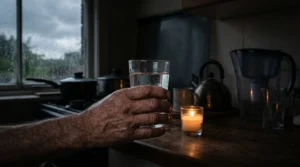
Concerned about the safety of your long-term water storage? You’re not alone. Treated water is best used within 24 hours. If you store it longer, keep it in a clean, sealed, opaque container away from heat and sunlight, and re-treat it with a fresh dose before drinking. Enter chlorine dioxide, a simple way to treat stored water. In this comprehensive guide, we’ll explore the science and practical benefits of using chlorine dioxide for extended water storage. For long-term water storage with chlorine dioxide.
The Science Behind Chlorine Dioxide
It’s not just a close cousin to chlorine; it’s an upgrade. Why? Because it doesn’t churn out harmful byproducts and stays potent across diverse pH levels.
Here’s how it works: Once chlorine dioxide makes contact with water, it swiftly dissolves and transforms into a gas. In this gaseous state, it spreads through the water and treats it.
How Long Does Chlorine Dioxide Last in Stored Water?
When it comes to water storage, one question comes up first: how long does treated water keep? Well, chlorine dioxide is a game-changer in this regard.
Imagine you’ve stored water for an emergency. Months go by, and you wonder, “Is this water still safe?” With chlorine dioxide, you can rest easy. This makes chlorine dioxide a top choice for those looking to store water for extended periods, be it for emergency preparedness, outdoor adventures, or long-term sustainability projects.

Proven Effectiveness for Extended Storage
You might be wondering where the evidence is. Well, you’re in luck! The effectiveness of chlorine dioxide in water treatment and storage is supported by a wealth of scientific research.
- Another article from ScienceDirect provides an updated overview of chlorine dioxide-based oxidation processes used in water treatment.
- Research published in Royal Society of Chemistry reviews the kinetics and mechanisms of chlorine dioxide reactions with inorganic and organic compounds found in water. This helps us understand its performance in water treatment better.
What sets chlorine dioxide apart is that it treats water while leaving fewer byproducts than chlorine bleach. This makes it not just effective but also a safer option for long-term water storage with chlorine dioxide. So, if you’re planning to store water for an extended period, rest assured that chlorine dioxide offers a reliable and scientifically-backed practical solution.
Best Practices for Water Storage
Knowing that chlorine dioxide is effective is great and all, but how do you make the most of this knowledge? Here are some best practices to ensure your stored water remains as pure and clean as the day you stored it:
- Choose the Right Container: Opt for a container that is both sealed and opaque. This prevents both contamination and the breakdown of chlorine dioxide from exposure to light.
- Location, Location, Location: Store your water container in a cool, dry place. Avoid areas with direct sunlight or fluctuating temperatures, as these can degrade the quality of the stored water.
- Regular Testing: It’s always a good idea to periodically test your stored water. Simple water testing kits are available that can give you peace of mind, confirming that your water is still safe to consume.
- Label and Date: Always label your containers with the date you treated the water.
By following these guidelines, you can maximize the longevity and safety of your stored water, making the most of chlorine dioxide’s unique properties.
Off-Grid Water Storage: Maximizing Sustainability and Safety
When living off the grid, securing a reliable water supply is paramount for both sustainability and survival. As highlighted in an I Am Countryside article, the cornerstone of an effective off-grid water system is ample storage—ideally situated close to your residence for easy access and refilling.
The Cistern: Your Water “Battery”
The large cistern is like a “battery” for your water needs. Unlike electrical batteries, cisterns are cost-effective and incredibly durable. For a standard off-grid home, the article suggests a baseline storage capacity of 400 gallons, though scaling up to 1,000 gallons or more offers even greater security.
Diverse Water Sources
The type of water source you choose will be influenced by your location and the resources at your disposal. Each option has its own set of challenges, costs, and equipment needs. The article also points out the varying purity standards for different uses. Obviously human consumption demands highly purified water. However, don’t underestimate the quality of water for your livestock and plants. Remember, Off-grid living connects everything. What your livestock and plants consume, you consume as well.
Rainwater Harvesting
Collecting rainwater can be an excellent supplementary or even primary water source. Systems can range from simple barrel collections to more complex setups with first-flush diverters and storage tanks. However, rainwater should be properly filtered and treated with chlorine dioxide before use, especially for drinking.
Emergency Measures
In urgent situations, local water fill stations can be invaluable. These stations, which operate via prepaid cards, offer clean and affordable water. The downside is the time and effort involved in transporting the water to your location.
Well Water: The Off-Grid Staple
Wells remain the go-to water source for many off-grid homes. While drilling a well can be costly and requires specialized equipment, it often represents the most sustainable long-term water solution in remote areas.
Filtration and Treatment
Regardless of the source, water should be filtered to remove impurities. Filtration systems can range from simple ceramic filters to more advanced reverse osmosis units.
Practical Application of Chlorine Dioxide for Long-Term Storage
Chlorine dioxide is an excellent treatment option for large cisterns. Treated water is best used within 24 hours. For a stored supply, keep it sealed, cool and dark, and re-treat it with a fresh dose before drinking.
Safely Treating Large Water Cisterns with Chlorine Dioxide
For water storage, especially off grid, chlorine dioxide is a simple way to treat water as you store it and again when you use it. This chemical is generally available in a two-part kit, which includes sodium chlorite and an activator—either citric acid or hydrochloric acid. Combined, these components generate chlorine dioxide, which treats the stored water.
Important: Always follow the manufacturer’s guidelines and consult with professionals for precise measurements and safety protocols.
Safety Precautions
- Due to the high concentration of chemicals, always prepare the mixture outdoors or in a well-ventilated area to avoid inhaling fumes.
- Wear protective gloves and eye gear to prevent skin and eye contact.
- Keep chemicals stored in a secure, cool, and dry location, away from the reach of children and pets.
- Never ingest the chemicals in their concentrated forms.
Treating a 50-Gallon Tank
To treat a 50-gallon barrel effectively for long-term storage, follow this formula:
• Add 250 drops of Sodium Chlorite (Component A), which is approximately 1.25 teaspoons or 6.25 ml.
• Add 250 drops of Citric Acid or Hydrochloric Acid (Component B), also around 1.25 teaspoons or 6.25 ml.
• Stir thoroughly, seal, and store the barrel in a cool, dark place.
Treating a 400-Gallon Tank
• Sodium Chlorite: 2,000 drops (around 8.3 teaspoons or 41.6 ml)
• Citric Acid or Hydrochloric Acid: 2,000 drops (around 8.3 teaspoons or 41.6 ml)
To treat a 400-gallon tank at 5 + 5 drops per gallon, you need 2,000 drops of each part (about 100 mL of each with a standard dropper at 20 drops per mL). Measure both into a clean, dry container.Mix Part A and Part B in a clean, dry glass, swirl gently and wait 1 minute until it turns amber. Then add it to your water. Wait 1 minute until the mix turns amber, add it to the tank, stir well, and wait at least 30 minutes before drinking.
Treating a 1000-Gallon Tank
• Sodium Chlorite: 5,000 drops (approximately 20.83 teaspoons or 104 ml).
• Citric Acid or Hydrochloric Acid: 5,000 drops (approximately 20.83 teaspoons or 104 ml).
To treat a 1,000-gallon tank at 5 + 5 drops per gallon, you need 5,000 drops of each part (about 250 mL of each with a standard dropper at 20 drops per mL), mixed in a separate clean, dry container. Mix Part A and Part B in a clean, dry glass, swirl gently and wait 1 minute until it turns amber. Then add it to your water. Stir thoroughly and wait at least 30 minutes before using the water.

The Ultimate Solution for Long-Term Water Storage
In summary, chlorine dioxide is a game-changer for long-term water storage, not just for those living off-grid, but regular city folk too. Its proven effectiveness against a wide range of harmful organisms makes it a reliable and safe choice. Whether you’re storing water in large cisterns or smaller containers, chlorine dioxide ensures that your water remains pure and safe for extended periods.
Special Offer: Elevate Your Water Storage Game with 1ness Chlorine Dioxide Drops
Ready to take the first step towards securing a long-lasting, pure water supply? Look no further than our 1ness Chlorine Dioxide Drops. Specially formulated for maximum efficacy, our drops are your go-to solution for all your water treatment needs.